

Schedule a Free
Consultation With Our
Specialists


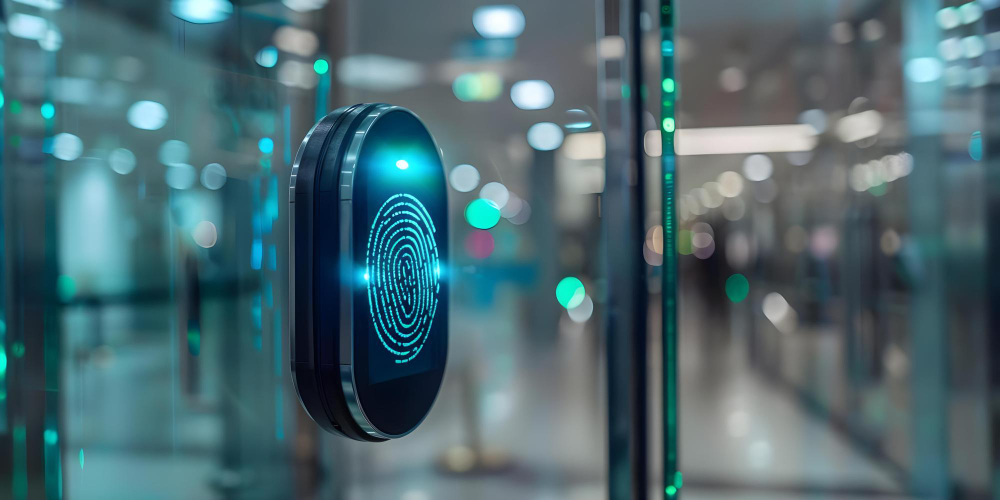
Monitor and Regulate Access to Your Organization
Access security and control solutions involve the implementation of measures to monitor and regulate access to physical locations, facilities, and resources within an organization.
CCTV Systems – Intelligent Surveillance & Monitoring
CCTV systems use strategically placed cameras throughout a facility to capture video footage and provide real-time monitoring. They play a critical role in deterring unauthorized access, overseeing daily activities, and supplying recorded evidence in the event of incidents or security breaches.
Modern CCTV solutions may include advanced features such as motion detection, video analytics, and remote access, enabling security teams to monitor operations efficiently from virtually anywhere. These capabilities allow for faster incident detection, improved response times, and better overall situational awareness.
By implementing CCTV systems, organizations strengthen their surveillance capabilities, enhance incident investigation processes, and create a safer environment for employees, visitors, and assets.


Access Control Systems (ACS) – Secure Entry & Access Management
Access Control Systems (ACS) manage and regulate entry into specific areas using technologies such as access cards, keypads, biometric readers, and proximity devices to authenticate and authorize individuals.
ACS ensures that only approved personnel can access restricted areas, reduces the risk of unauthorized entry, and tracks access events to generate reports for auditing and compliance purposes. When implemented effectively, ACS strengthens overall organizational security, improves accountability, and supports a safe and well-structured working environment.
Time Attendance
In addition to CCTV and ACS systems, access security and control also encompass time attendance systems. Time attendance systems are used to track and record the attendance and working hours of employees within an organization. These systems help ensure accurate and efficient management of employee attendance, leave, and overtime.
Time attendance systems often utilize various methods for recording employee presence, such as biometric fingerprint or facial recognition, RFID cards, or PIN codes. Employees can clock in and out using these methods, and the system captures and stores the data for attendance tracking purposes.

Unifying Identity, Access Control, and Surveillance Within a Single Security Architecture
By Incorporating Time Attendance Systems into Access Security and Control Measures, Organizations Can

Efficiently manage employee attendance
Time attendance systems automate the process of tracking employee attendance, eliminating the need for manual record-keeping and reducing administrative effort. The systems provide accurate and reliable data on employee attendance, working hours, and overtime, facilitating payroll processing and adherence to labor regulations.
Enhance security and accountability
Time attendance systems provide an additional layer of security by ensuring that only authorized employees are present during designated work hours. This helps prevent unauthorized access or fraudulent attempts to gain access to facilities or resources.

Improve productivity and efficiency
By accurately tracking employee attendance, organizations can identify and address attendance-related issues promptly. The systems help promote punctuality, discourage absenteeism, and enable better workforce planning and scheduling.

Streamline leave management
Time attendance systems often include features for managing employee leaves, allowing employees to request leave and supervisors to review and approve requests electronically. This simplifies the leave management process, reduces paperwork, and ensures proper tracking of leave balances.

Generate reports and analytics
Time attendance systems provide reporting and analytics capabilities, allowing organizations to generate attendance reports, analyze trends, and gain insights into workforce productivity and attendance patterns. These reports can inform decision-making and resource allocation processes.
How Can iSolution Help You
iSolution supports customers by merging the power of time attendance systems with CCTV, ACS, and other access security measures, from the access points to the central unified management console, creating a comprehensive approach to managing employee access, attendance, and security within an organization. It promotes accountability, enhances operational efficiency, and contributes to a secure and well-regulated working environment.


Your Weekly Dose of Tech
Get your weekly shot of innovation, trends, and smart thinking from iSolution.


